
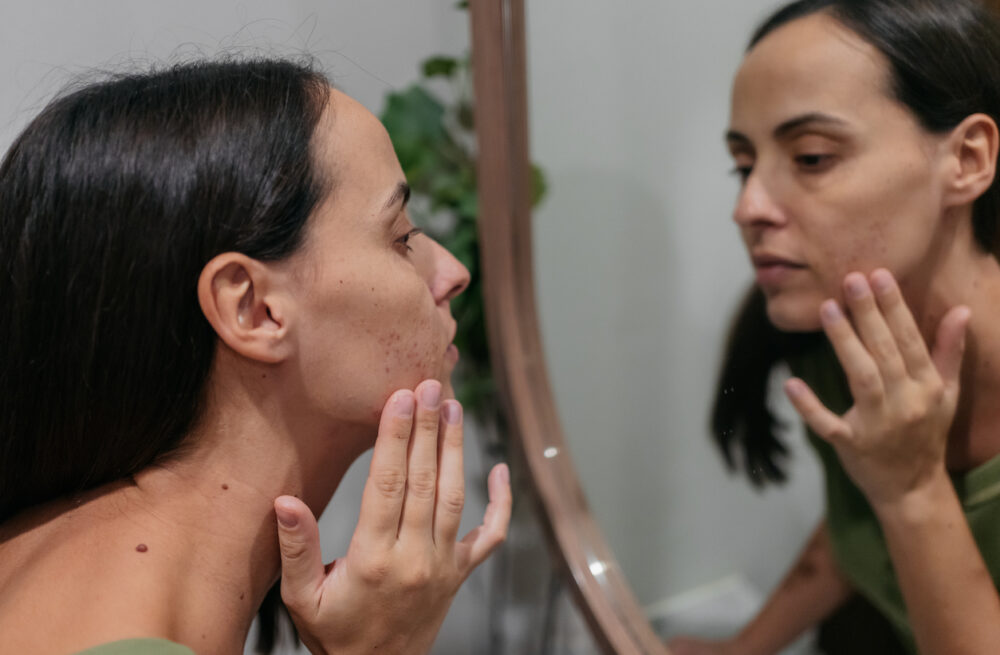
Why Adult Acne breakouts in your 30s, 40s, and beyond may be telling you more about your overall health.
You may have expected acne to disappear after your teenage years. Yet many women find themselves dealing with unexpected breakouts well into adulthood, sometimes for the first time in their 30s, 40s, or even 50s.
A recent Associated Press article, “Adult acne is real, but there are ways to treat it”, highlights how common and frustrating adult acne can be. The article discusses traditional treatments, including medicated cleansers, topical therapies, and prescription medications such as spironolactone.
But there’s another important part of the conversation: What role do our hormones, nutrition, metabolism, and lifestyle play in the health of our skin?
At Balanced Integrative Medicine, we believe understanding these connections can help us develop a more personalized approach to managing adult acne.
Why Does Adult Acne Happen?
Unlike teenage acne, which frequently affects the forehead and nose, adult acne in women often appears around the chin, jawline, and lower cheeks.
Hormones are one potential contributor.
Throughout a woman’s life, hormonal fluctuations can influence the skin’s oil production, inflammation, and susceptibility to breakouts.
Common periods of hormonal change include:
- Menstrual cycle fluctuations
- Pregnancy and postpartum changes
- Perimenopause and menopause
- Starting or stopping hormonal contraceptives
- Conditions such as polycystic ovary syndrome (PCOS)
Androgens, including testosterone, stimulate the skin’s sebaceous glands to produce oil. When excess oil combines with dead skin cells and inflammation, acne can develop.
During perimenopause, estrogen levels fluctuate and eventually decline. These changes can alter the relative influence of androgens on the skin, potentially contributing to new or persistent breakouts.
However, not every case of adult acne indicates a hormonal imbalance. Genetics, skincare products, medications, and other factors may also contribute.
The Diet and Acne Connection: Does What You Eat Matter?
The foods we eat affect our metabolic health, including blood sugar regulation and inflammatory pathways.
Research suggests that certain dietary patterns may contribute to acne in some individuals, although diet is rarely the only cause.
1. Blood Sugar, Insulin, and Breakouts
One of the more compelling connections involves blood sugar and insulin.
Foods that cause rapid increases in blood glucose can stimulate insulin and insulin-like growth factor 1 (IGF-1), which may influence androgen activity and oil production.
Over time, these pathways may contribute to acne development in susceptible individuals.
Examples of foods that can raise blood sugar quickly include sugary beverages, pastries, candy, and highly refined carbohydrates.
A functional medicine approach may emphasize:
- Fiber-rich vegetables and whole foods
- Protein with meals to support satiety and metabolic health
- Beans, lentils, and minimally processed whole grains
- Healthy fats from olive oil, nuts, seeds, and avocados
- Balanced meals rather than restrictive dieting
The goal isn’t to eliminate carbohydrates. It’s to develop sustainable eating habits that support overall metabolic health.
2. Could Dairy Contribute to Acne?
Some studies have identified an association between milk consumption, particularly skim milk, and acne.
Researchers continue to investigate whether dairy-related hormonal and metabolic signaling contributes to breakouts.
This does not mean everyone with acne should eliminate dairy.
Instead, we can evaluate individual dietary patterns, symptoms, nutritional needs, and potential triggers. If a dietary trial is appropriate, it should be structured to avoid unnecessary restrictions.
3. Inflammation and Skin Health
Acne is an inflammatory skin condition.
A nutrient-dense eating pattern may support overall health and healthy inflammatory responses.
Foods worth incorporating include fatty fish such as salmon, colorful vegetables, berries, leafy greens, nuts, seeds, and other sources of fiber and unsaturated fats.
Although these foods are nutritious, research has not established that any single food or supplement can cure acne.
Perimenopause, Hormones, and Your Skin
For women in midlife, acne can be particularly frustrating because it may occur alongside other changes, such as:
- Irregular menstrual cycles
- Sleep disturbances
- Hot flashes or night sweats
- Changes in body composition
- Increased skin dryness or sensitivity
- Mood fluctuations
Hormonal shifts during perimenopause can influence several aspects of health, including skin function.
This is why looking at acne in isolation may miss an opportunity to understand the broader clinical picture.
For example, persistent acne accompanied by increased facial hair growth, scalp hair thinning, or irregular menstrual cycles may warrant evaluation for androgen excess or PCOS.
A personalized assessment helps determine whether hormonal testing is clinically appropriate. Routine hormone panels are not necessary for every woman with acne, and hormone levels can fluctuate considerably during perimenopause.
How Functional Medicine Approaches Adult Acne
Functional medicine emphasizes understanding the individual rather than relying on a one-size-fits-all plan.
At Balanced Integrative Medicine, this means taking time to explore how symptoms may relate to nutrition, lifestyle, hormonal transitions, metabolic health, and medical history.
Our approach may include:
- A comprehensive health history: Understanding when acne started, whether breakouts follow a menstrual pattern, and how symptoms relate to other changes in health.
- A nutrition assessment: Exploring eating patterns, blood sugar regulation, and possible dietary contributors without promoting unnecessary food restrictions.
- Hormonal and metabolic evaluation: Identifying symptoms that may justify targeted testing for conditions such as PCOS or metabolic dysfunction.
- Stress and sleep assessment: Recognizing that stress, disrupted sleep, and changes in daily routines may influence overall health and potentially aggravate skin concerns.
- An individualized treatment plan: Integrating practical lifestyle strategies with evidence-based medical treatments and dermatology referrals when appropriate.
- Functional medicine is not about replacing conventional acne treatments. It’s about considering the broader factors that may influence a person’s symptoms while using treatments supported by clinical evidence.
What About Traditional Acne Treatments?
As the Associated Press article explains, several effective treatments are available for adult acne.
Depending on the type and severity of breakouts, options may include benzoyl peroxide, topical retinoids, azelaic acid, prescription medications, or hormonal treatments such as spironolactone.
Spironolactone can be particularly helpful for certain women experiencing persistent hormonal-pattern acne along the jawline and lower face. However, it requires an individualized medical assessment and is not appropriate during pregnancy.
For painful cystic acne, scarring, or persistent breakouts, a dermatologist plays an important role in treatment.
Nutrition and lifestyle changes can complement medical care, but they should not delay effective treatment or replace necessary medications.
Five Practical Steps to Support Your Skin From Within
If you’re struggling with adult acne, consider starting with a few manageable changes:
- Pay attention to patterns. Track breakouts alongside your menstrual cycle, sleep, stress, and skincare routine.
- Build balanced meals. Include protein, fiber-rich carbohydrates, and healthy fats throughout the day.
- Prioritize sleep. Establish a consistent sleep routine that supports your overall health.
- Keep skincare simple. Choose gentle, noncomedogenic products and avoid aggressive scrubbing or picking.
- Discuss persistent symptoms with your healthcare provider. Particularly if acne appears alongside irregular periods, increased facial hair, or other new symptoms.
Remember, improvement takes time. Skin treatments often require several weeks or months to demonstrate meaningful results.
Healthy Skin Is Part of the Bigger Picture
Adult acne is more than a cosmetic concern. It can affect confidence, comfort, and quality of life.
For some women, it may also be an opportunity to examine changes in hormonal or metabolic health. At Balanced Integrative Medicine, we believe women deserve care that considers the whole person—not just an isolated symptom. Whether you’re navigating perimenopause, experiencing persistent breakouts, or simply trying to understand changes in your body, our goal is to help you develop a thoughtful, personalized plan that supports your long-term health and well-being.
Are you experiencing changes in your skin, hormones, or overall wellness?
Balanced Integrative Medicine in Cherry Hill, New Jersey, offers a personalized approach to primary care and integrative health, with a special focus on supporting women through midlife and beyond.
Schedule a consultation to explore how your nutrition, lifestyle, hormonal health, and medical history may be connected.
References and Further Reading
- Associated Press. Adult acne is real, but there are ways to treat it. Here’s what to know. October 2026.
- American Academy of Dermatology. Can the right diet get rid of acne?
- American Academy of Dermatology. Stubborn acne? Hormonal therapy may help.
- American Academy of Dermatology. Updated guidelines for the management of acne.
- Diet and acne: A systematic review. JAAD International, 2022.
Medical disclaimer: This article is for educational purposes only and does not replace individualized medical advice, diagnosis, or treatment.